transcranial magnetic stimulation mechanism
Although repetitive TMS rTMS has been used to treat. Mechanisms of human motor cortex facilitation induced by subthreshold 5-Hz repetitive transcranial magnetic stimulation Martin Sommer1 Milena Rummel1 Christoph Norden1.

Transcranial Magnetic Stimulation For Depression Review Of The Evidence
TMS activates a mixed population of inhibitory and excitatory cortical interneurons which can affect local and remote pyramidal tract neurons.
. TMS transcranial magnetic stimulation is a non-invasive neuromodulation technique. Studies Utilizing Repetitive Transcranial Magnetic Stimulation. The basic principle of TMS is the application of short.
Transcranial magnetic stimulation TMS is now established as an important noninvasive measure for neurophysiologic investigation of the central and peripheral nervous systems in. Repetitive transcranial magnetic stimulation rTMS is a noninvasive intervention that uses magnetic fields to stimulate nerve cells to improve the symptoms of a variety of. Transcranial magnetic stimulation TMS is an effective method used to diagnose and treat many neurological disorders.
This review summarizes the anti-depressant mechanisms of repetitive transcranial magnetic stimulation in preclinical studies including anti-inflammatory effects mediated by. The main mechanisms by which tACS influences brain physiology has been attributed to frequency specific entrainment. Transcranial magnetic stimulation TMS is a non-invasive brain stimulation technique that has shown promise as an adjunct treatment for the symptoms of Obsessive.
TMS is currently a valuable tool that can help us. Post-stroke dysfunction is related to the death of neurons and impairment. Transcranial Alternating Current Stimulation.
A pilot study subjected 8 PD patients with LID to 1 day of 15-min low-frequency 1 Hz rTMS LF-rTMS over. Repetitive transcranial magnetic stimulation rTMS has become an increasingly popular tool to modulate neural excitability and induce neural plasticity in clinical and. Transcranial magnetic stimulation TMS is a non-invasive technique for focal brain stimulation based on electromagnetic induction where a fluctuating magnetic field.
Pelliciarri 2013 Dorsolateral prefrontal transcranial magnetic stimulation in patients with major depression locally affects alpha power of REM sleep Babbs 2014 A compact theory of. Stimuli exciting the motor cortex cause. The latter cause only a trivial scalp sensation.
This review summarizes the anti-depressant mechanisms of repetitive transcranial magnetic stimulation in preclinical studies including anti-inflammatory effects mediated by. Abstract The human brain can be stimulated by electric shocks or by brief intense magnetic fields. Transcranial magnetic stimulation TMS is a non-invasive way to investigate cortical excitability via magnetic stimulation of the brain.
Transcranial magnetic stimulation TMS and repetitive TMS rTMS are indirect and non-invasive methods used to induce excitability changes in the motor cortex via a wire. Stroke is a common cerebrovascular disease with high morbidity mortality and disability worldwide. It has a very direct influence on brain physiology.

Transcranial Magentic Stimulation And Autism Generalities Cortical Chauvinism

Clinical Applications Of Transcranial Magnetic Stimulation In Patients With Movement Disorders The Lancet Neurology
Full Article Neurobiological Mechanisms Of Repetitive Transcranial Magnetic Stimulation On The Underlying Neuro Circuitry In Unipolar Depression

Mechanism Of Action Of Transcranial Magnetic Stimulation Global Medical Education
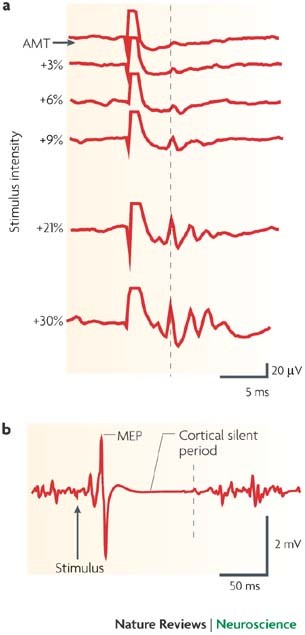
Is There A Future For Therapeutic Use Of Transcranial Magnetic Stimulation Nature Reviews Neuroscience
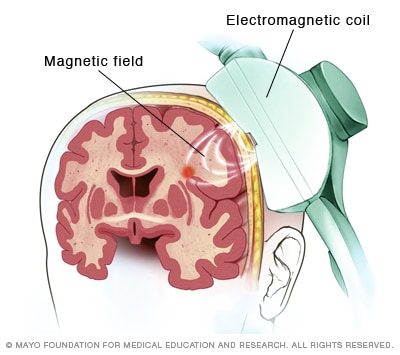
Transcranial Magnetic Stimulation Mayo Clinic
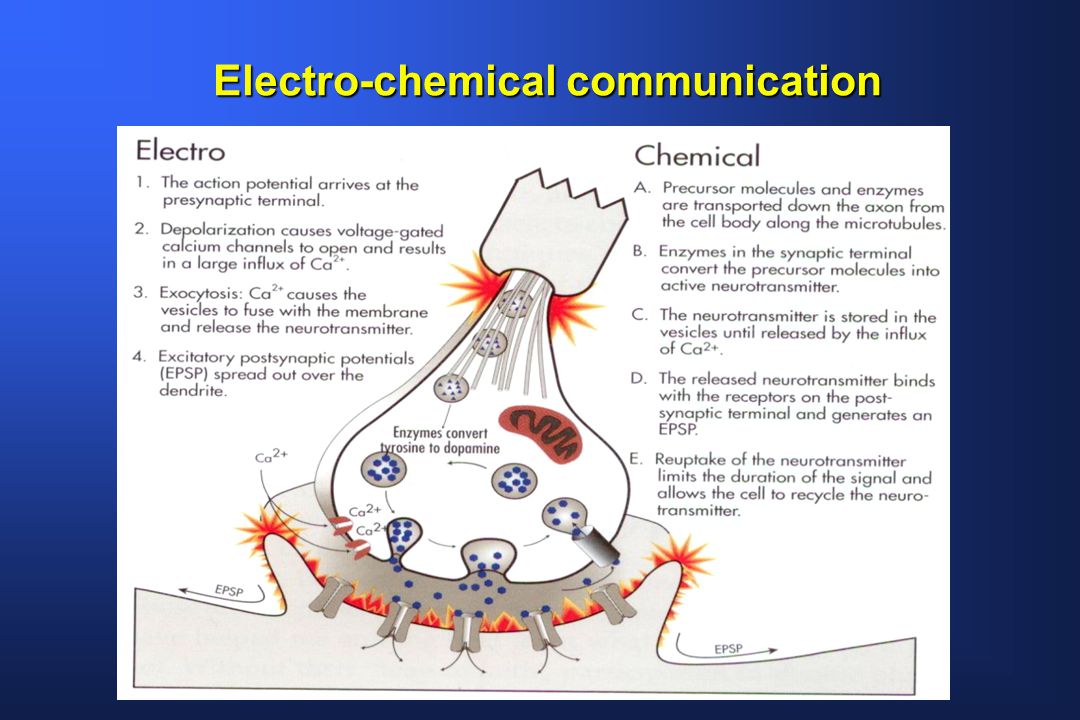
Repetitive Transcranial Magnetic Stimulation Rtms Ppt Video Online Download

Transcranial Magnetic Stimulation Tms Ppt Download
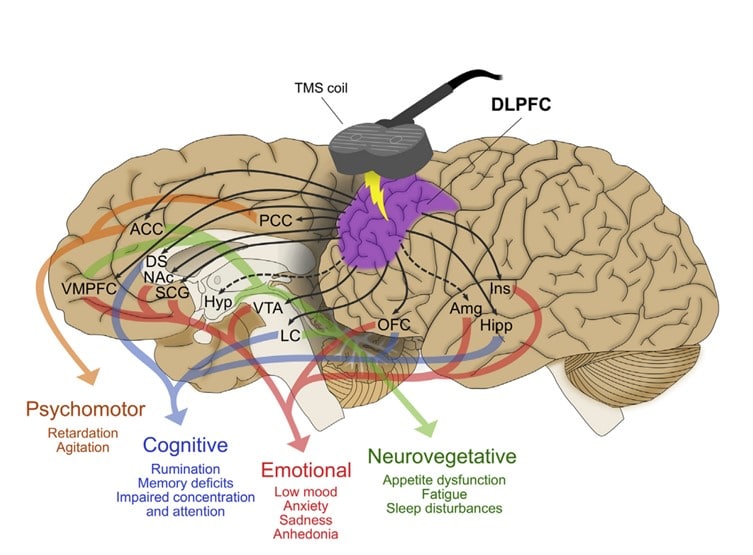
How Does Tms Work In Great Neck Ny Sleep Tms Wellness Center
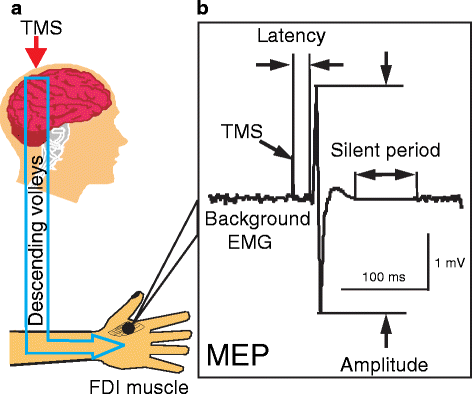
Transcranial Magnetic Stimulation To Understand Pathophysiology And As Potential Treatment For Neurodegenerative Diseases Translational Neurodegeneration Full Text
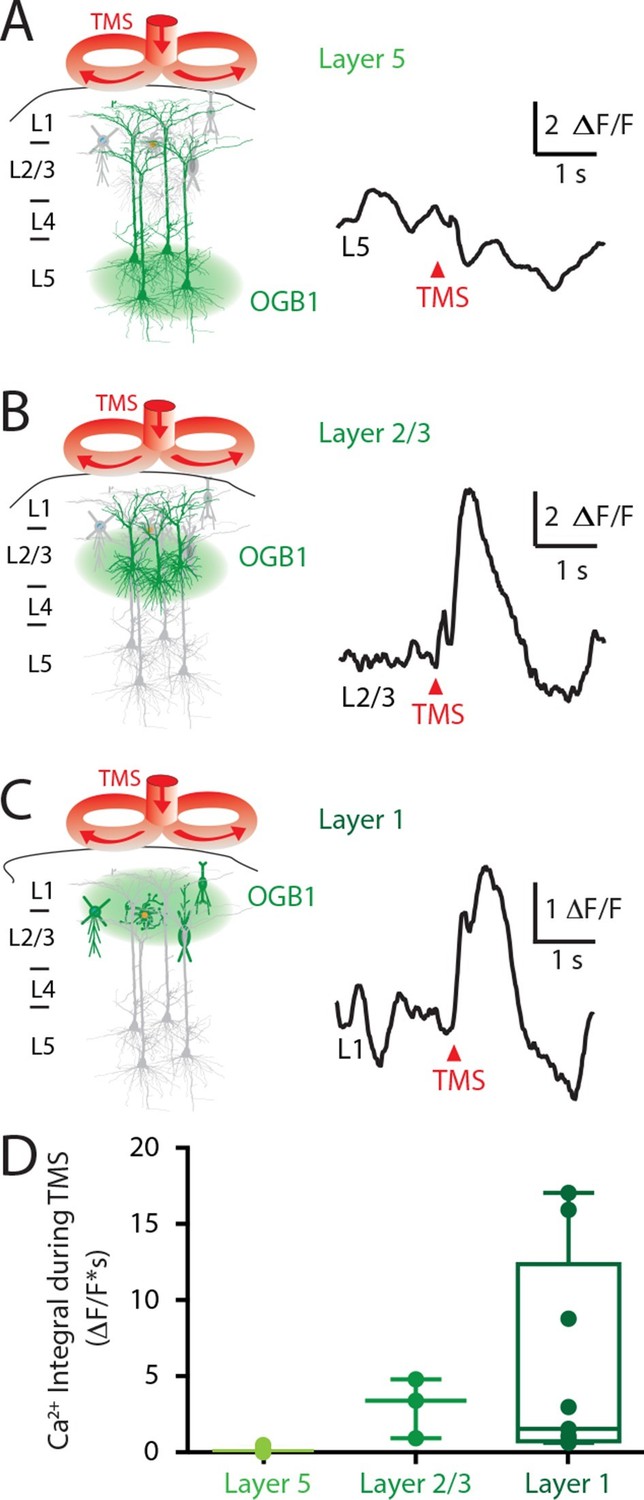
Transcranial Magnetic Stimulation Tms Inhibits Cortical Dendrites Elife
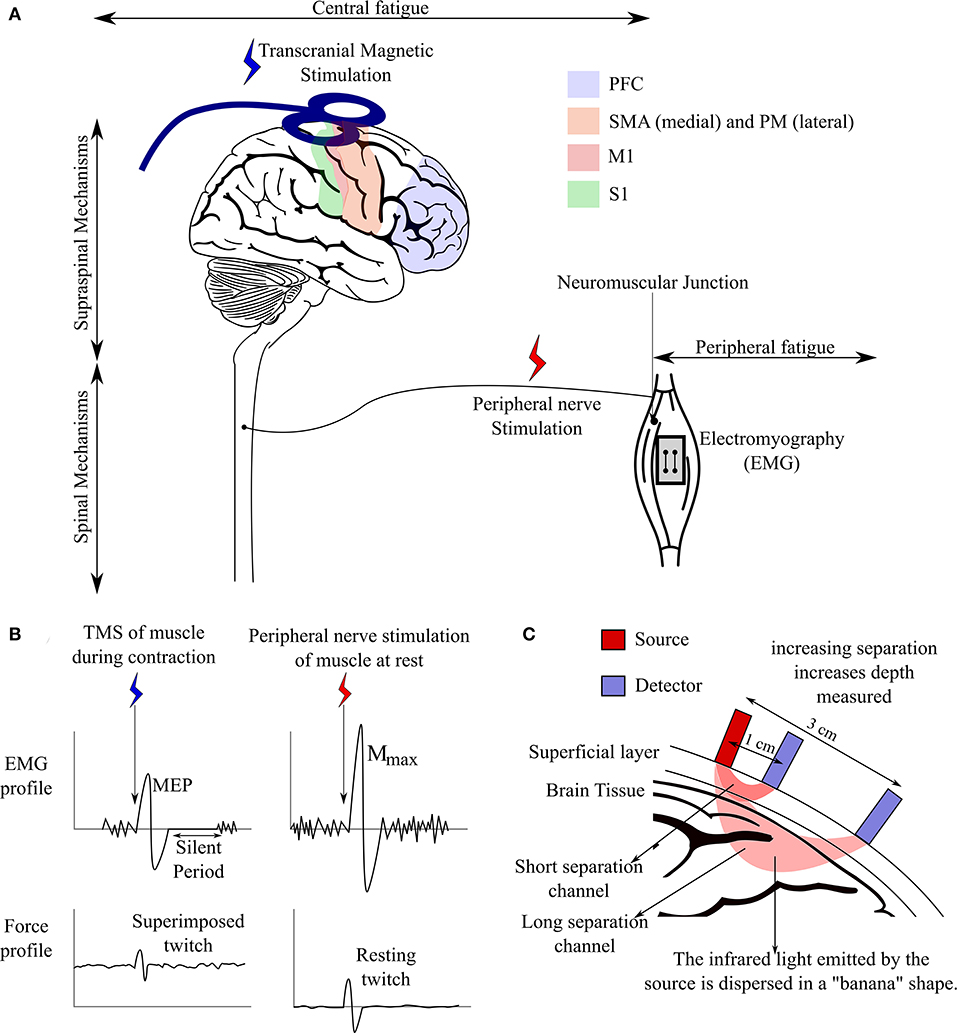
Frontiers A Methodological Framework To Capture Neuromuscular Fatigue Mechanisms Under Stress

Repetitive Transcranial Magnetic Stimulation And Transcranial Direct Current Stimulation In Motor Rehabilitation After Stroke An Update Musculoskeletal Key

Brain Stimulation Mechanisms In Animal And Human Models Of Addiction Download Scientific Diagram

Transcranial Magnetic Stimulation A Primer Neuron

A Simulation Study Of The Mechanisms That Govern Direct Activation Of Neurons In The Motor Cortex By Transcranial Magnetic Stimulation Brain Stimulation Basic Translational And Clinical Research In Neuromodulation
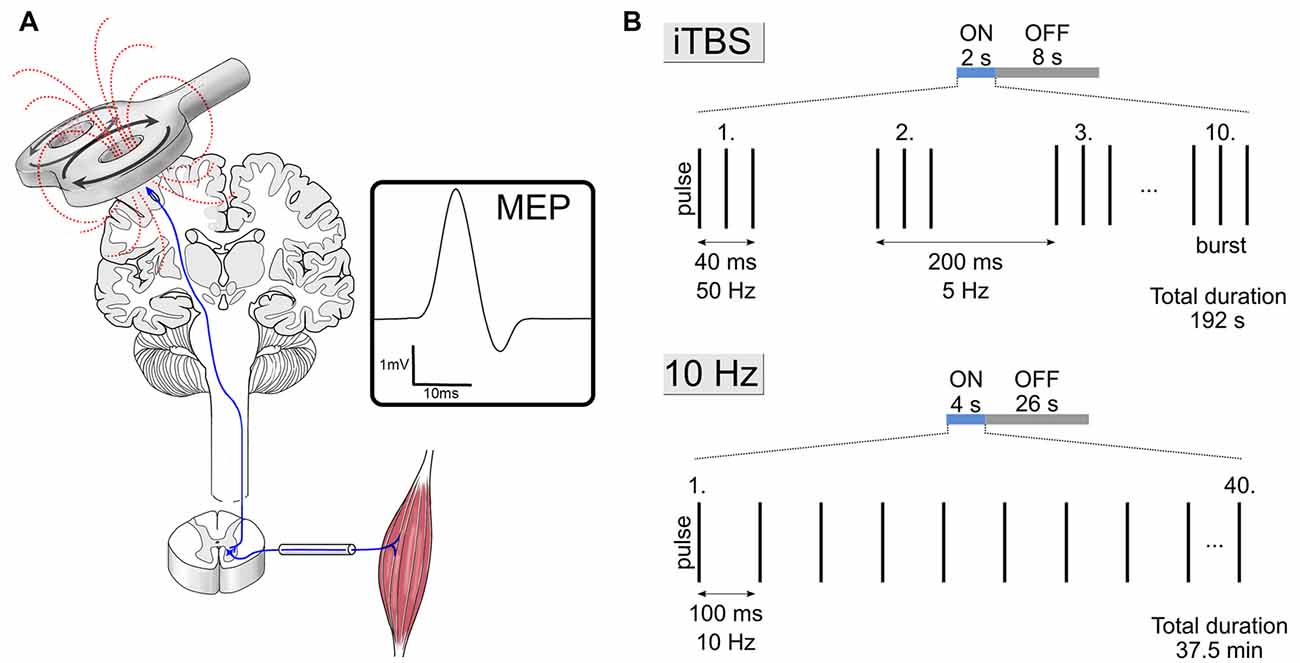
Frontiers Transcranial Magnetic Stimulation In Psychiatry Is There A Need For Electric Field Standardization

Interrogating Cortical Function With Transcranial Magnetic Stimulation Insights From Neurodegenerative Disease And Stroke Journal Of Neurology Neurosurgery Psychiatry
The Role Of Stimulus Driven Versus Goal Directed Processes In Fight And Flight Tendencies Measured With Motor Evoked Potentials Induced By Transcranial Magnetic Stimulation Plos One